Blogs
What's New Trending


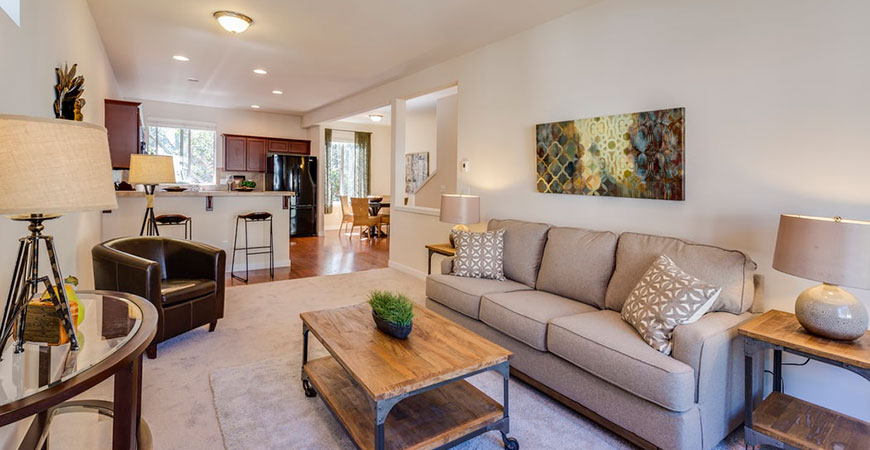
Choosing the right number of bedrooms is one of the most important decisions you’ll make when buying a home. It affects your comfort, your daily routine, your long-term plans, and how easily your home can adapt to the way you live. Whether you’re considering a 3-bed, 4-bed, or 6-bed home, the best choice depends on your lifestyle today and the life you expect to build in the years ahead.
“The right home isn’t just about space—it’s about choosing space that works for you.”
A 3-bedroom home is a popular choice for young families, first-time buyers, and those seeking simplicity and efficiency. With room for a primary bedroom, kids’ room, and a flex space (office, guest room, or nursery), 3-beds offer a balanced and budget-friendly layout without feeling overwhelming. This size is ideal if you want comfort without excess square footage to maintain.
“If you value ease, manageability, and smart use of space, a 3-bedroom home may be all you need.”
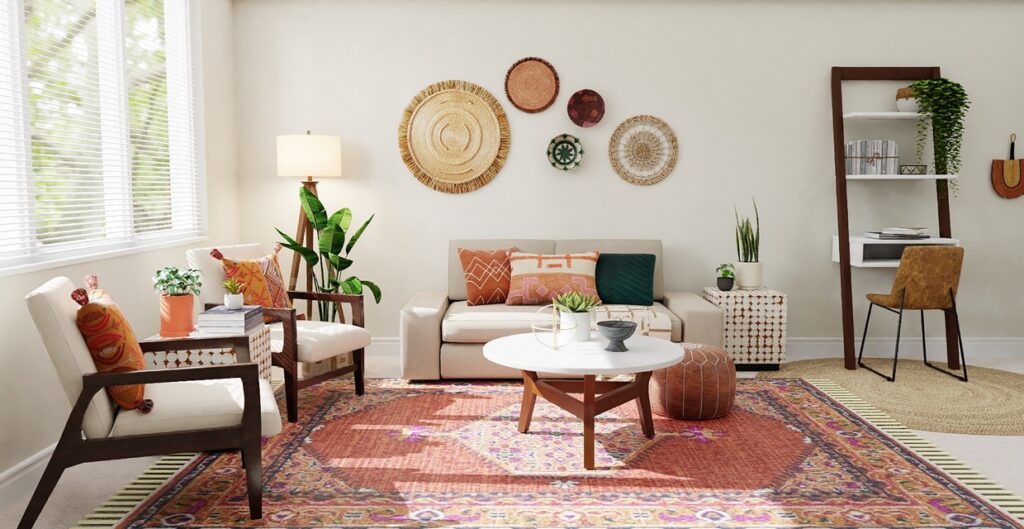
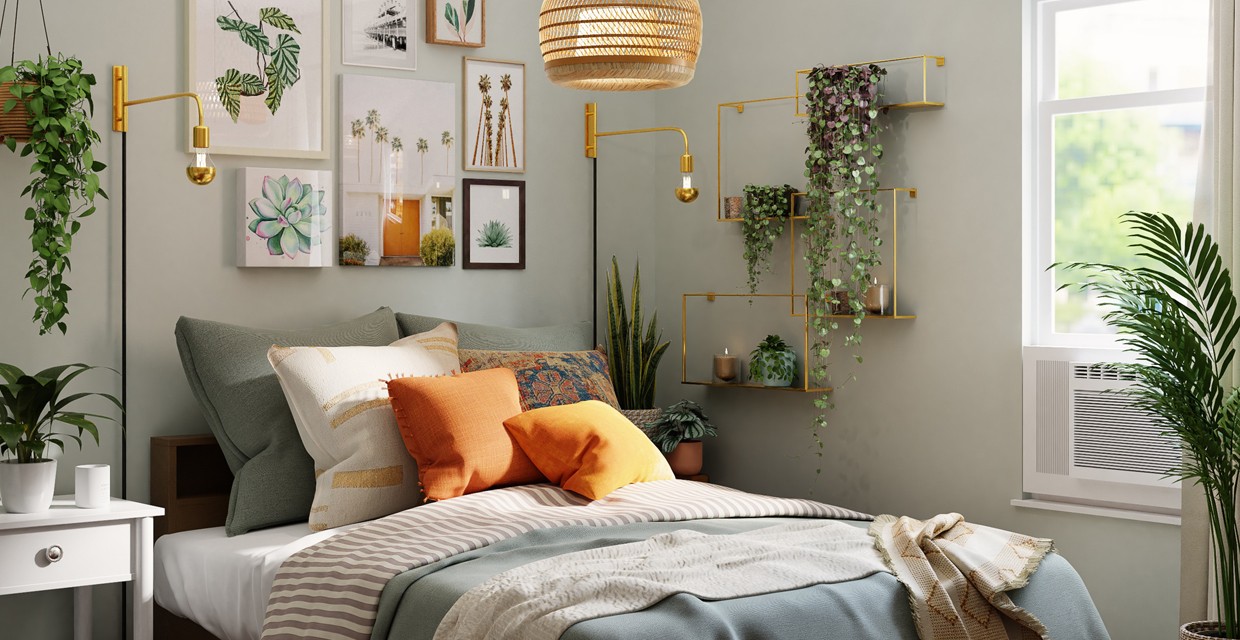
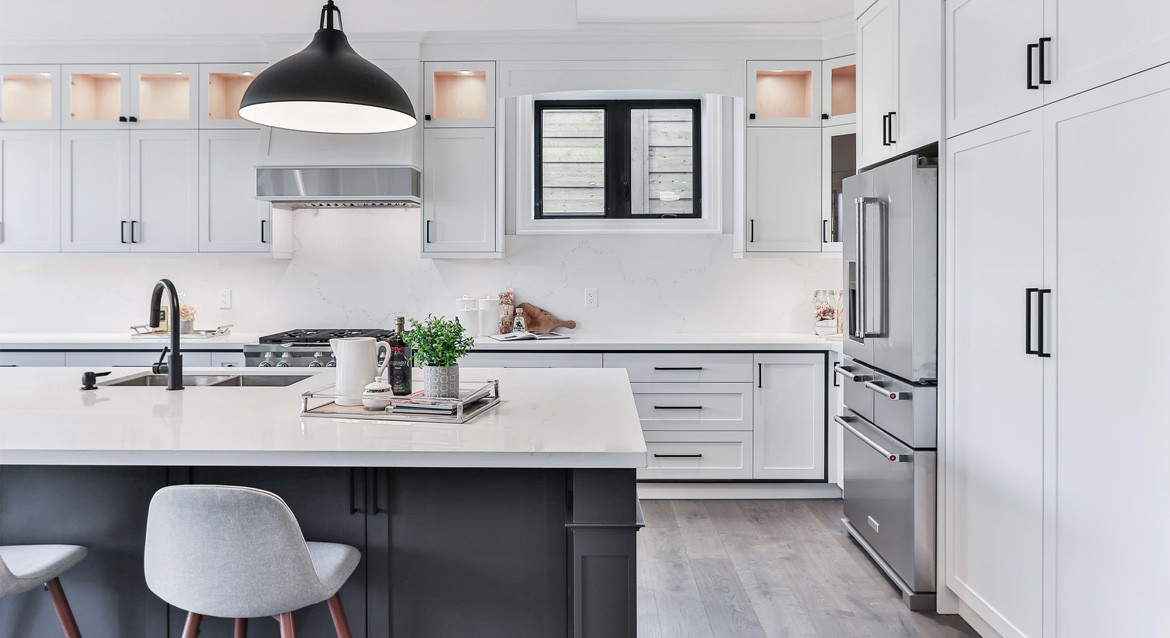
A 4-bedroom home suits households that need extra flexibility. That additional room can serve as a dedicated office, a guest suite, a playroom, or future expansion for a growing family. Four bedrooms provide breathing room—space to work from home, host overnight visitors, or simply enjoy more privacy from one another. For many buyers, this is the “future-proof” middle ground.
“A 4-bedroom home grows with you—offering comfort today and flexibility for tomorrow.”
A 6-bedroom home is ideal for those who want maximum versatility. Large households, multigenerational living, blended families, or buyers who need specialty rooms—such as dual offices, a gym, hobby room, or in-law suite—benefit greatly from a 6-bed layout. This size gives you the freedom to customize your living environment without sacrificing shared spaces.
“More bedrooms mean more possibilities—multi-use rooms that evolve as your life changes.”
Ultimately, there is no universal “right” number of bedrooms. The best choice depends on the size of your household, your daily lifestyle, your storage needs, and how you envision your life evolving. By thinking beyond today and planning for the future, you can choose a home that not only fits your life now—but continues to support it for years to come.